
-
·
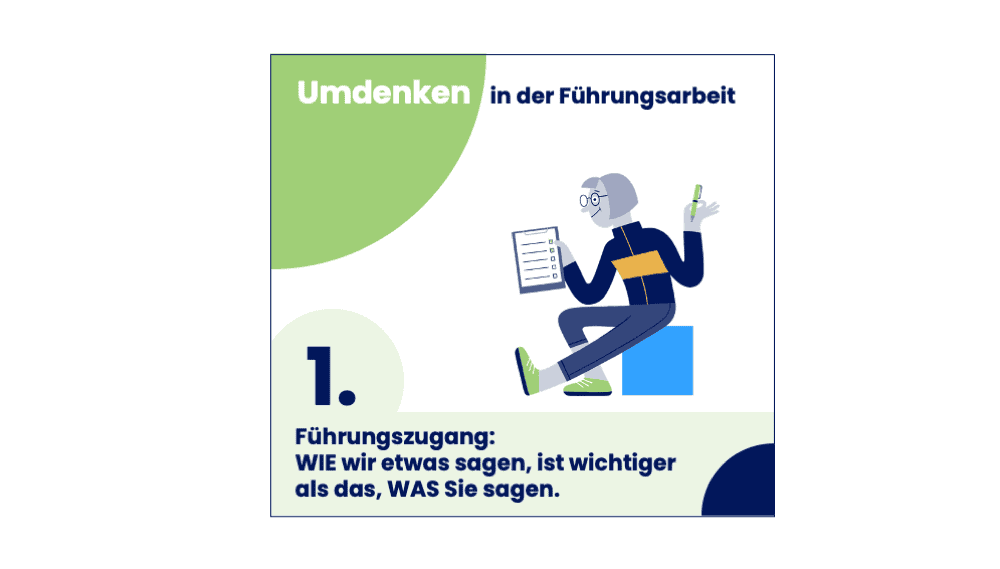
A New Approach to Leadership: Leadership Approach No. 1
HOW we say something is more important than WHAT we say. By now, it’s common knowledge that the most crucial aspects of communication are nonverbal. But let’s be honest: How often do you consciously pay close attention to these crucial details of nonverbal cues? Misunderstandings often arise because we focus so much on…
-

·
The Effectiveness of PCM: Communication Through Diversity!
We have it in black and white: PCM promotes diversity! Our entire world is becoming more diverse: LGBTQI movements, the wide variety of lifestyles across different generations, multiculturalism, etc., make the world colorful and diverse. Today, it’s more important than ever to understand and accept different personalities. That’s arguably one of the most important prerequisites of all for interacting positively with people. Here…
-

·
PCM Effectiveness: THE Toolbox for Human Interaction
The Right Tool for Every Communication Situation In line with our brand promise, “PCM. The tool to make a daily difference,” we aim to offer, through the Process Communication Model®, a toolkit for daily communication and interaction, as well as for personal self-management. We asked ourselves how our customers see this—how do they use PCM?…
-

·
PCM Effectiveness: Say “Goodbye” to the Seminar Effect!
A seminar with lasting practical benefits! “I’ve attended many seminars during my more than 20 years as a manager. And I have to admit that I’m very skeptical of personality models. But this PCM seminar made me aware of things about myself and my communication style that I simply hadn’t noticed before. What really convinced me was the…
-

·
How to Communicate with People in Distress
Communicating with people who are distressed is no fun. It can feel like a waste of energy and time. People who are distressed act defensively, can’t think clearly, and definitely don’t want to hear your point of view. At best, you’ll get nowhere. At worst, you’ll end up feeling distressed too…
-

·
Distress, Part 1: Over-Control and Excessive Criticism
How to Communicate with People Who Are Excessively Controlling and Critical Some people, when under stress, become excessively critical of others’ work. They are downright obsessed with time, cleanliness, order, and fairness. They are frustrated because they try to control everything and everyone, and they make the people around them unhappy. They seem to…
-

·
Distress, Part 2: Leading Crusades and Preaching
How to Communicate with People Who Crucify Others and Preach Their Values When in distress, some people become judgmental, dogmatic, and self-righteous. They literally go on a crusade, forcing their beliefs on others and expecting people to agree with them so that they can feel okay again. No one seems to meet their impossible moral standards, and they…
-

·
Distress, Part 3: Manipulation and Drama
How to Communicate with People Who Manipulate and Create Negative Drama When in distress, some people become true drama queens and kings. They triangulate, manipulate, and turn the tables to create drama. It seems as though they’re constantly pushing their way into the spotlight, trampling on others along the way. They come up with smokescreens and diversionary tactics,…
-

·
Distress, Part 4: It's Everyone Else's Fault
How to Communicate with People Who Blame Others and Refuse to Take Responsibility Some people in distress magically absolve themselves of all responsibility for their behavior and feelings. They blame everyone and everything for what has happened, make themselves seem blameless, and whine and complain about how difficult and boring everything is…
-

·
Distress, Part 5: Retreat into Another World
How to Communicate with People Who Withdraw and Don’t Respond Some people in distress isolate themselves and withdraw, turning inward and zoning out. They seem disconnected from reality and can become unresponsive in situations of severe stress. They start projects but don’t finish them and end up…