
-
·
Creative genius or a roadblock to ideas? Find out how the PCM basic type can help your creativity take off.
“Creativity and Personality: Insights from the Process Communication Model®” The new research article “Creativity and Personality: Insights from the Process Communication Model®” by Sixtine Lefebvre and Anaëlle Camarda (June 2024) shows how the PCM basic personality types can influence creativity. Haven’t you ever wondered why some people are just bursting with creative ideas, while…
-

·
The Importance of PCM in Training Programs for Surgeons and Healthcare Professionals
The Importance of Process Communication Model® (PCM) Training for Surgeons and Healthcare Professionals Communication in healthcare is critical to team success and patient safety. Surgeons work in a complex, stressful, and safety-critical environment that is often marked by bureaucracy and legal concerns. In this context, the consistent demonstration of excellent interpersonal…
-

·
Seeing the Forest or Just the Trees
The Role of Personality in Visual Perception: Insights and Applications In an increasingly visually oriented world, the way we process information plays a crucial role in our daily lives. A fascinating study titled “Seeing the Forest or the Tree Depends on Personality: Evidence from the Process Communication Model…”
-
·
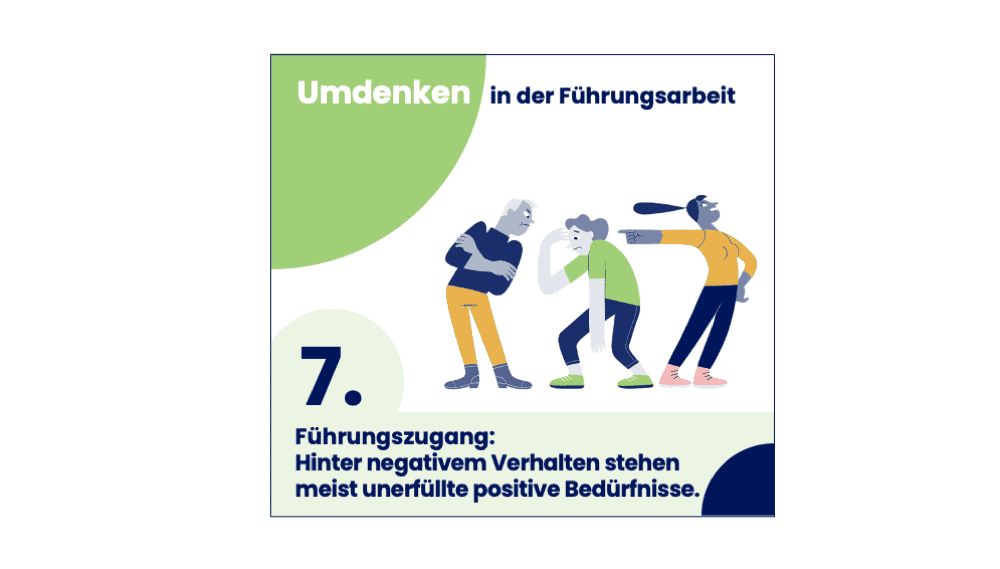
A New Approach to Leadership: Leadership Approach No. 7
Negative behavior usually stems from unmet positive needs. Are your managers able to recognize negative attention and intervene in a positive way, or do they get caught up in power struggles and miscommunication? When children misbehave, we often attribute it to “seeking negative attention.” It’s remarkable how much energy and effort children expend to get attention…
-
·
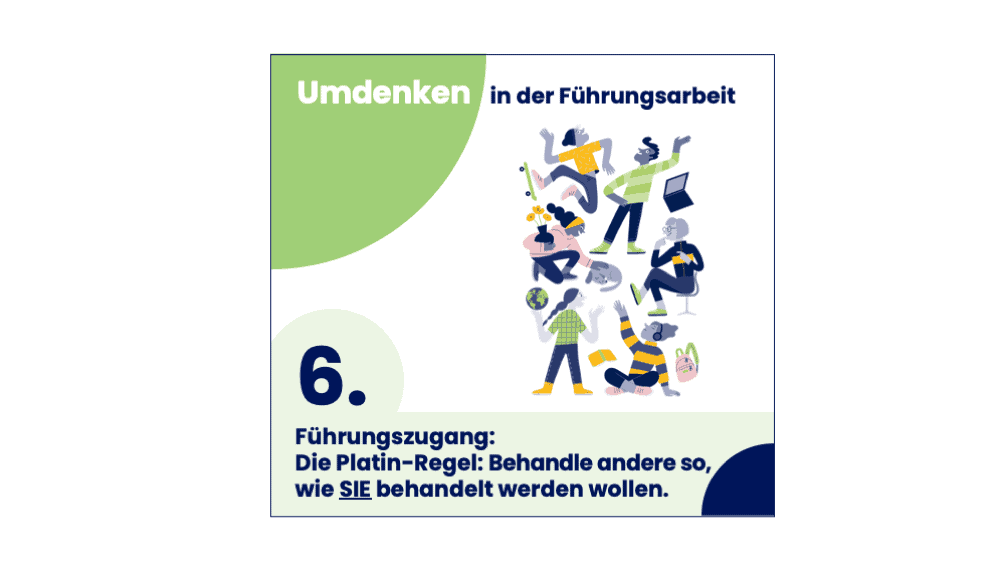
A New Approach to Leadership: Leadership Insights No. 6
Treat others the way YOU want to be treated. Regardless of how one defines leadership, one of the most fundamental tasks of a leader is to influence people in such a way that they are motivated to work toward a common goal. Influence comes in many forms, both positive and negative. The most influential figures in all professions and industries know that…
-
·
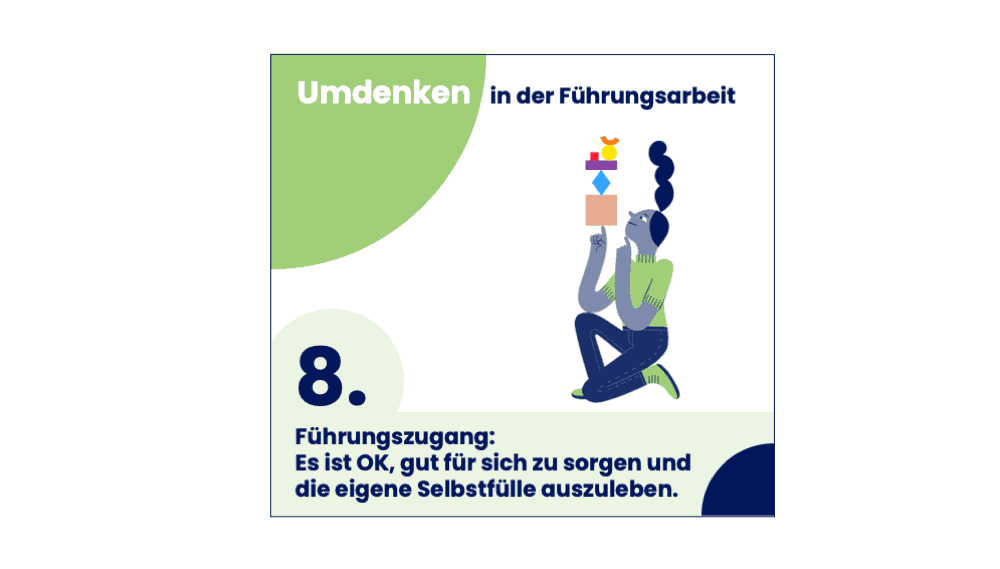
A New Approach to Leadership: Leadership Insights No. 8
It’s okay to embrace your own sense of fulfillment. Are your leaders exhausted and burned out? Do they find it difficult to stay energetic and motivated and to think clearly? Do they always put the needs of others before their own? Does their behavior sometimes place a burden on the organization? If you were to ask the leaders in your company, what answers…
-
·
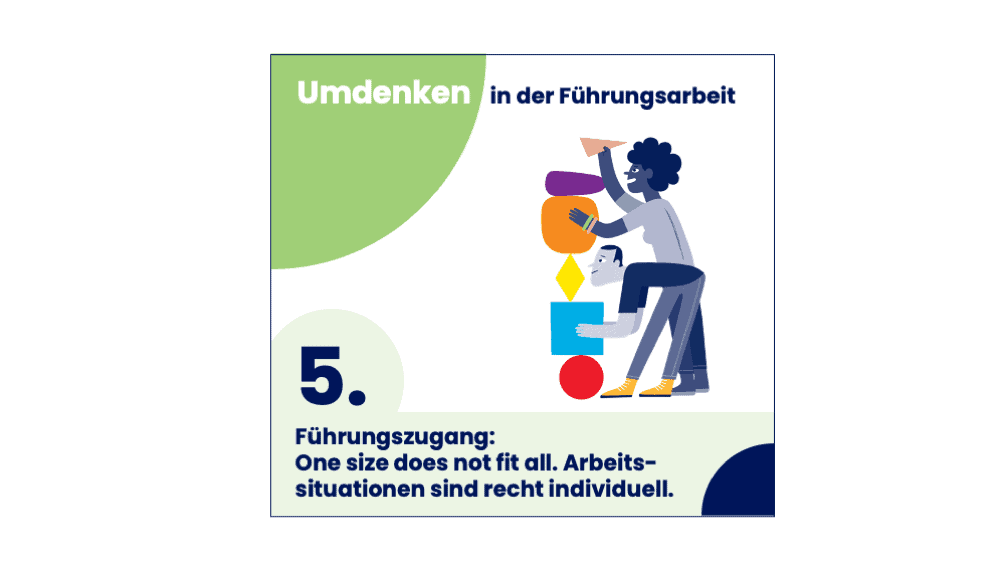
A New Approach to Leadership: Leadership Approach No. 5
One size does not fit all. Work situations are quite individual. In their quest for efficiency, many organizations try to standardize their processes and procedures. While this can be helpful in some areas, it can be extremely detrimental and demotivating when it comes to designing work environments. The COVID-19 pandemic has accelerated the shift toward decentralized and hybrid…
-
·
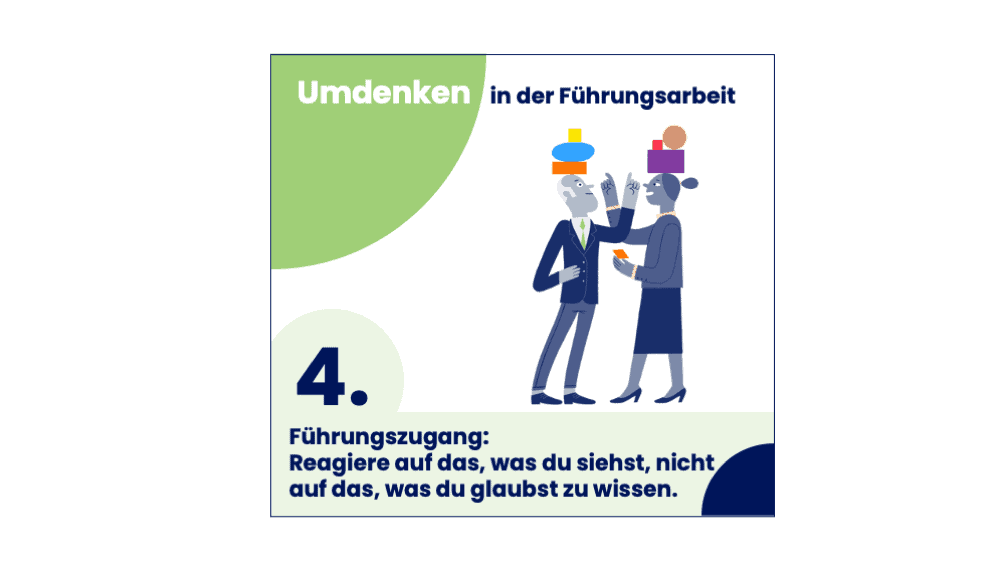
A New Approach to Leadership: Leadership Approach No. 4
Respond to what you see, not to what you think you know. Leadership based on assumptions often leads to negative outcomes and experiences. Not only does it lead to bias and defensiveness, but it also blinds leaders to the actual behaviors that are literally taking place right before their eyes. If you want to help leaders in…
-
·
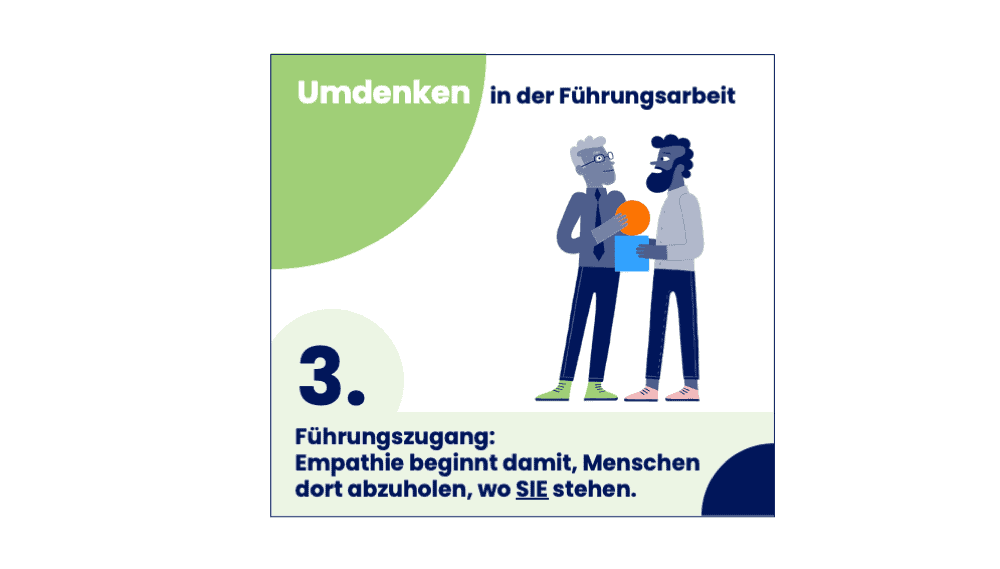
A New Approach to Leadership: Leadership Approach No. 3
Empathy begins with meeting people where THEY are. Research shows that empathy in the workplace is positively correlated with job performance. Leaders who lead their employees with empathy are viewed as more effective by their superiors and are also significantly more highly regarded by their employees. Empathy is a fundamental leadership skill for fostering a safe workplace culture and more trusting relationships…
-
·
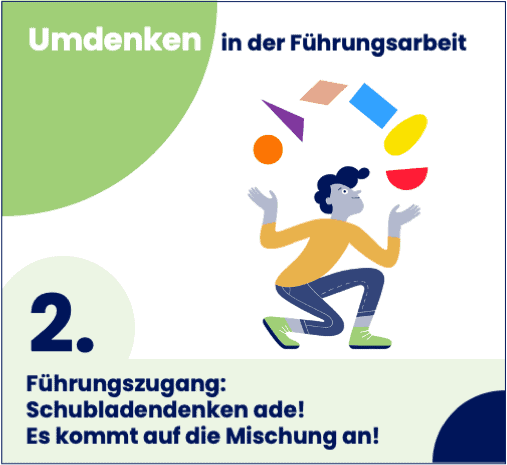
A New Approach to Leadership: Leadership Approach No. 2
Goodbye, pigeonholing! Personality is always a mix of “types WITHIN a person” and not merely a “type OF person.” When we talk about personality, we’re not talking about type or animal names, quadrants, factors, colors, heroes, or which planet you’re from. Personality is a dimension of neurodiversity. It’s about individual differences…